

Find Your Perfect Match: The Ultimate Golf Ball Selector Quiz & Fitting Guide
Are you playing the right ball for your game? Most golfers choose a ball based on brand name or what’s on sale, but playing the wrong compression or spin profile can cost you 10+ yards off the tee and strokes around the green.
The best golf ball for you isn’t the most expensive one—it’s the one that matches your swing speed, launch conditions, and feel preferences. Use our interactive Golf Ball Selector Quiz below to get a personalized recommendation in seconds.
How Our Golf Ball Calculator Works
If you already know your data (swing speed, desired flight, and budget), our Golf Ball Calculator will filter through hundreds of models to find your data-driven match.
Golf Ball Fitting Recommendation Calculator
Select an option in each drop down and then click the “recommend golf balls” button to see which golf balls best fit your swing and preferences.
Why Golf Ball Fitting Matters
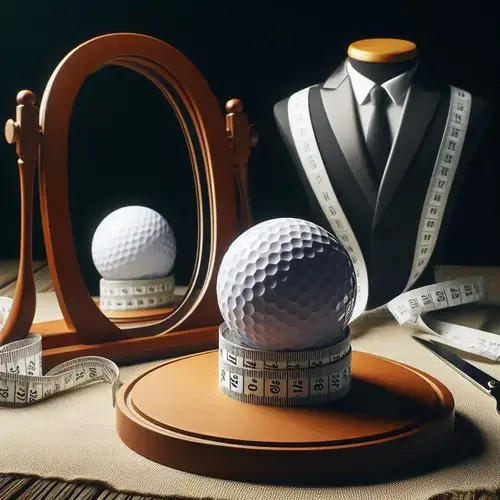
The golf ball is the only piece of equipment you use on every single shot. A proper fitting ensures that you aren’t “leaving distance on the table” or struggling with a ball that is too firm to control.
1. Matching Swing Speed to Compression
Compression is the measure of how much a ball deforms at impact.
- Low Swing Speed (<85 mph): You need a low-compression ball (30-60). These are designed to “spring” off the face more easily, maximizing distance for slower tempos.
- Mid Swing Speed (85-100 mph): A mid-compression ball (60-90) offers the best balance of speed and greenside control.
- High Swing Speed (100+ mph): You require a high-compression ball (90+). A softer ball will actually lose energy (over-compress) at these speeds, robbing you of distance.
2. Spin Control: Distance vs. Stopping Power
- Low Spin: Best for golfers who struggle with a “slice” or “hook,” as less backspin often leads to less sidespin.
- High Spin: Best for advanced players who want the ball to “check up” and stop instantly on the greens.
3. Feel and Construction
- 2-Piece Balls: Usually have a Surlyn cover; durable and designed for maximum distance.
- 3, 4, or 5-Piece Balls: Usually feature a Urethane cover; designed for “Tour” level feel and high spin on approach shots.

Frequently Asked Questions (FAQ)
What is the best golf ball for a beginner? Beginners usually benefit from a 2-piece, low-compression ball. These are more affordable and help reduce the “sidespin” that causes slices.
Does a more expensive ball make you hit further? Not necessarily. If a high-swing speed pro plays a cheap, soft ball, they lose distance. If a slow-swing speed amateur plays a $50/dozen Pro V1, they may not be able to compress it enough to get the full distance benefit.
How do I know my swing speed? You can find your swing speed using a launch monitor at a local pro shop, or estimate it based on your average 150-yard club. If you hit a 7-iron 150 yards, you likely have a medium swing speed.
Ready to lower your scores?
Stop guessing and start playing the ball designed for your swing. Take the Quiz or use the Calculator above to find the best golf ball for your game today.



![Bag Boy Nitron vs Clicgear: Ultimate Push Cart Showdown [2026]](https://yardstickgolf.com/wp-content/uploads/2026/02/GolfCourse_Compare-300x251.webp)